
At the heart of every community lies the essence of its people – their aspirations, struggles, and triumphs.
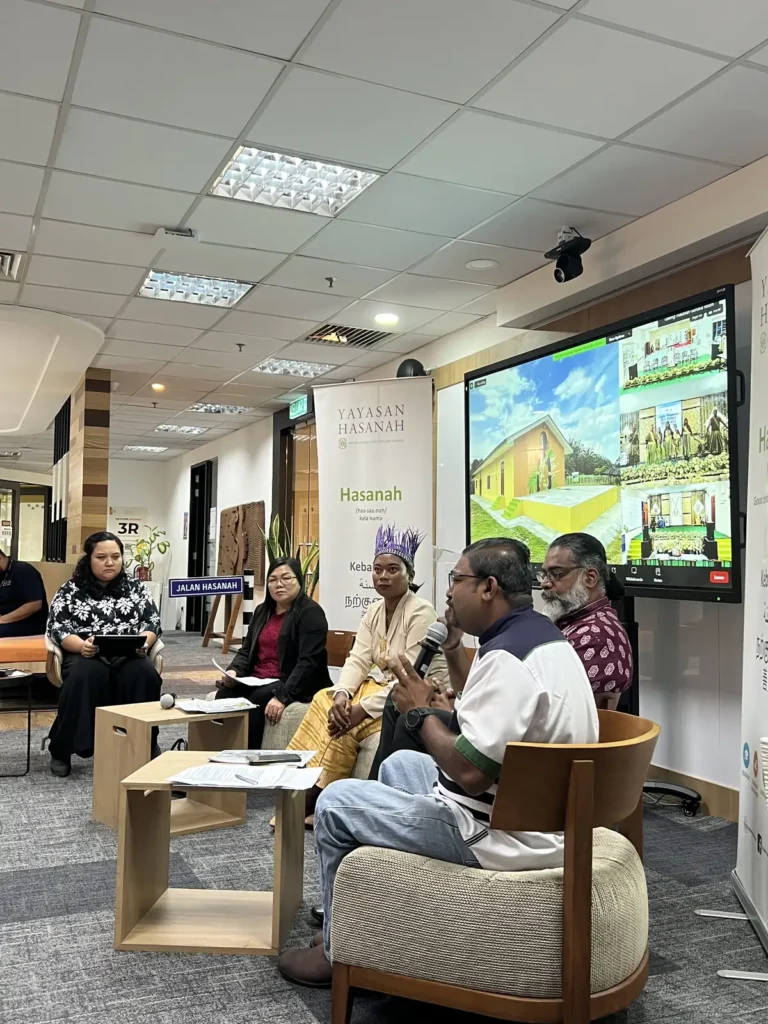
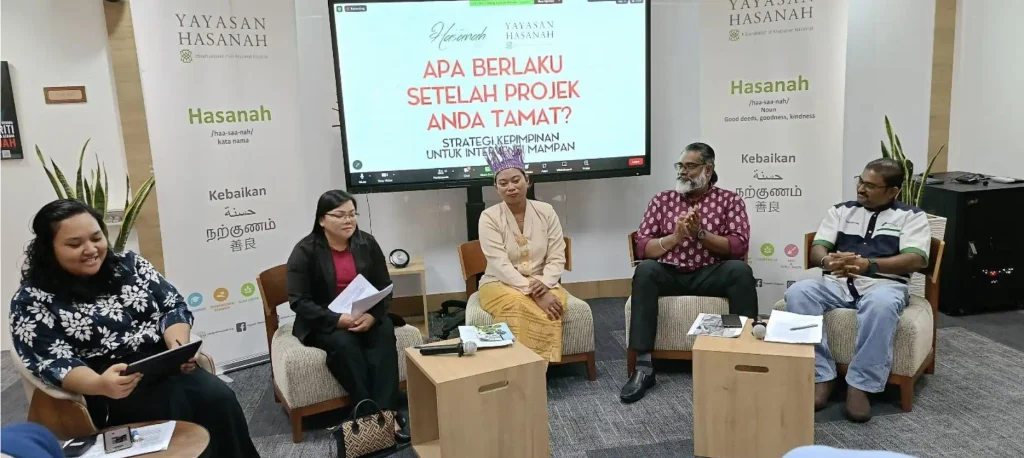
The recent ILMU Hasanah session shed light on the vital role of community leaders in driving long-term positive change, ensuring well-being and resilience of the community. The session brought together a diverse panel of experts: James Ryan Raj, Director of Constituency Coordination Department, APPGM-SDG; Nagarajan Rengasamy, Manager of the Forest and Coastal Programme, Global Environment Centre Yahina @ Sabrina Inggit, Chair of a Women Support Group Enterprise; and Nurul Farhana Bt. Tajuddin, Secretary of Sahabat Gambut Asli Temuan and Community Spokesperson – whose combined experiences offered valuable lessons, from the challenges and triumphs of community leadership.
The Fundamentals of Building Sustainable Community Development
Drawing from a wealth of expertise in community development, James highlighted the essence of localising development efforts through approaches rooted in empathy and genuine connection. By engaging with communities at the grassroots level, and truly understanding their needs, challenges, and aspirations, the foundations for sustainable community development are formed.
With modernisation and the rise of various housing projects, there is an increasing need for programme owners to recognise that communities are unique depending on locality and makeup. Often, community leaders consist of both formal and informal ones, with each having different insights into the community’s dynamics. For a project to truly flourish, a mindset shift is needed – one from aiding communities through handouts, to a focus on capacity building.
While most programmes focus on livelihood, closely interlinked with the needs of the community is the health of the ecosystem. Nagarajan’s work in environmental conservation has found that cooperation between the community and surrounding environment is vital – and programme design that holistically considers both aspects tend to be more successful. In a practical sense, conducting comprehensive baseline data collection that encompasses the day-to-day obstacles and strengths of the beneficiary is key. By doing this, we not only ensure that the programme is tailored to their needs but also aligns with their interest and skills. This bottom-up approach helps community members feel competent and capable of achieving the intended outcome while also fostering a sense of ownership and empowering communities to become active participants in their own progress.
Stories from Community Leaders
The role of a community leader is a multi-dimensional one. Representing grassroot leaders in Yayasan Hasanah funded projects, Yahina and Nurul Farhana shared their personal journeys of leadership and community mobilisation, as their commitment and passion shone through.
Yahina’s approach is grounded in trust and perseverance. She learned the importance of being present in the community – physically, emotionally, and intellectually. By immersing herself in the day-to-day lives of community members, she has built trust and understanding, the essential pillars for effective leadership. Her ability to mobilise resources and overcome challenges, she empowers community members to find their voices and solutions, creating a sense of ownership and responsibility. She believes that lasting and meaningful change must originate from within the community. She also recognises that the world is ever-evolving, and to meet the needs of her community, she constantly seeks new knowledge and insights. At the core of her leadership philosophy is continuous learning – which has enabled her to adapt to various challenges faced.
While we know that commitment and passion are essential qualities, it is equally crucial to provide community leaders with adequate support and training to effectively fulfil their roles. Nurul Farhana also acknowledged the challenges faced by Yahina, reflecting upon her own journey as a community leader. As she encounters challenges, many of which remain difficult to navigate, she has found that tapping into resources provided to her and seeking support from project implementers has helped her learn many useful things. She too understands that building trust, managing diverse needs, and navigating external forces are all part of the journey.
It is seeing the growth and empowerment of their community that drive Yahina and Nurul Farhana forward, as they work tirelessly for the betterment of their communities.
“By investing in women now, we accelerate progress.”
Invest in People, Not Projects
The session concluded with a powerful message: Community development is not about a return on investment, but a return of value. Investing in people is the key to creating enduring positive change – and only by nurturing community leadership and fostering collaboration, prioritising local voices, building trust, and working collaboratively, can we empower communities to thrive as architects of their own sustainable future, ensuring a brighter tomorrow for generations to come.